
Guest Post: After the Midterms, What Will We Do with this Moment?
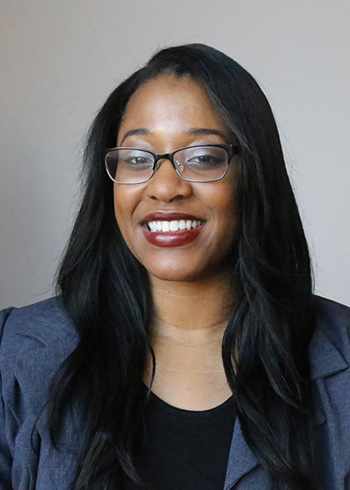
By Shanique Rodriguez, Executive Director, Massachusetts Voter Table
November 23, 2026
The 2026 midterm elections brought relief, renewed hope, and, importantly, an opportunity to reflect on what this moment means for the future of our democracy.
Across the country, voters delivered a powerful message about the state of our nation. Here in Massachusetts, voters also made consequential decisions about the kind of Commonwealth they want to live in, including a historic vote to expand access to the ballot through Election Day registration.
As someone who works alongside grassroots organizations and community leaders across Massachusetts, however, I believe the most important question is not simply what voters decided on November 3. It is what we choose to do with this moment.
Three takeaways stand out to me as we consider what comes next.
1. The election delivered a powerful call for change, built on widespread concerns about the economy and our democracy.
If voters demanded one thing in November, it was meaningful change. Delivering it, however, requires translating the energy that brought voters to the polls into meaningful improvements in their lives and greater confidence in democratic institutions. Voters’ priorities were clear.
According to a Pew Research Center survey conducted ahead of the elections, 84% of registered voters identified the economy as very important to their vote, while 73% said the same about the future of our democracy. These concerns are deeply connected. Voters want more than new faces in leadership; they want a government that is accountable, responsive, and able to solve problems.
Our state is not immune to the economic pressures, political divisions, and frustration with institutions that we see across the country. Polling commissioned earlier this year by the Massachusetts Voter Table and Transportation for Massachusetts, conducted by MassINC, found 22% of voters identified the cost of living as the state’s most pressing issue, another 18% pointed to housing costs, and 82% rated our transportation system as fair or poor.
We must keep voters’ voices heard to ensure that their desire for change drives sustained commitment from the State House and our city halls to make life better for communities here in the Commonwealth.
2. Massachusetts voters gave us an opportunity to renovate our democracy.
One of the most significant outcomes in Massachusetts was the passage of Question 4, bringing Election Day registration to the Commonwealth. For the Massachusetts Voter Table and our grassroots partners, who have spent years organizing to expand voter access, this victory represents an important milestone.
But the passage of Question 4 should be the beginning of a larger conversation, not the conclusion.
Massachusetts has long considered itself a leader on progressive policies, yet meaningful disparities in civic participation persist across our communities. Even amid heightened interest in this year’s midterm elections statewide and in the Gateway Cities, preliminary results show turnout reaching just 25.6% in Lawrence, 26.5% in Lowell, and 28.4% in Springfield. These numbers reflect a persistent challenge in many Gateway Cities and communities of color, where language barriers, inaccessible polling locations, uneven access to voter information, and the realities of working and family life continue to shape who participates and whose voices are heard.
Each election, Mass Voter Table works to help ensure eligible voters can exercise their rights, and that experience reinforces a fundamental truth: the right to vote is only as meaningful as a person's ability to exercise it.
Same-day registration will be a real win, but boosting voter turnout requires more. It requires sustained investment in grassroots organizing, culturally relevant and multilingual voter education, and year-round civic engagement. Government must invest alongside nonprofits in the public infrastructure of democracy, ensuring local election offices have the funding, staffing, training, and resources needed to implement reforms effectively and serve every eligible voter.
Renovating our democracy is not simply passing new laws, but strengthening the institutions responsible for carrying them out, addressing the inequities that limit participation, and building lasting civic power in communities too often left out of the process.
3. The real measure of political power is what communities can build together.
One of the most important stories of this election comes from the community organizations, volunteers, and local leaders who spent months building relationships, engaging neighbors, and helping people understand what was at stake.

"Electoral victories can change who holds office, but they do not automatically change who holds power, whose voices shape public policy, or whether government delivers for the communities it serves."
—Shanique Rodriguez, Executive Director, Massachusetts Voter Table
Across Massachusetts, our Democracy HUBS partners provide funding, training, and data-driven voter tools in communities where civic participation cannot be taken for granted. Their work reflects something we have learned over many election cycles: Meaningful engagement is built on trust, and trust takes time. It is built when organizations show up consistently, listen to residents' concerns, connect civic participation to the issues affecting their everyday lives, and remain accountable to their communities long after Election Day. This is the year-round work of our Democracy HUBS partners, and it is essential to building lasting civic power.
As I shared at a Boston Foundation forum following the 2024 presidential election, pouring dollars into political campaigns and parties alone will not build the lasting community power that makes democracy more responsive. Electoral victories can change who holds office, but they do not automatically change who holds power, whose voices shape public policy, or whether government delivers for the communities it serves.
If we are serious about transforming our democracy, we must be as committed to investing in the people and organizations building power in communities as we are in investing in the elections themselves.
Looking Ahead: What Will Massachusetts Do with This Moment?
As we enter 2027, Massachusetts faces an important choice.
We can treat the 2026 election as a successful moment of political mobilization and return to business as usual. Or we can recognize it as an opening to turn the demands voters expressed into a broader agenda for change.
Elections alone cannot answer residents' concerns about rising costs of housing, transportation, and other goods. Elections don’t automatically create government that delivers for working families. The defeat of Question 5's proposed changes to the state's revenue cap, the continued importance of the Fair Share Amendment, and growing demands for rent stabilization and corporate tax fairness all point to a larger conversation about how we raise, protect, and invest public resources to meet the needs of our communities. The question for 2027 is whether we use this political moment to create policies that meaningfully improve people's lives, particularly in communities that have too often been left behind.
For the Massachusetts Voter Table, that means strengthening grassroots organizations to organize communities around the decisions that follow elections. It means building coalitions across housing, labor, transportation, environmental justice, and democracy movements; developing local leaders who can influence policy and hold elected officials accountable; and ensuring that Black, Latino, immigrant, working-class, and other historically marginalized communities have a meaningful role in shaping the state's priorities.
It also means following through on the democratic reforms voters supported. Implementing Election Day registration equitably, investing in accessible and multilingual election administration, addressing persistent turnout disparities, and beginning the work now to ensure a fair and accurate 2030 census must be part of our agenda. These efforts will determine whose voices are represented when decisions are made and whose communities receive the resources they deserve.
These actions require flexible, sustained support for the organizations building community power between elections, developing leaders, bridging movements, and translating civic participation into meaningful influence over public policy. Our support for the mobilization of communities loses its ROI when we underinvest in their ability to shape what happens after the votes are counted.
A stronger, more inclusive democracy will not happen overnight, and it will not happen at the ballot box alone. What this election outcome offers is an opening to build toward that democratic ideal – and that gives me hope.
To learn more about Shanique and the work of Massachusetts Voter Table, visit mavotertable.org