
We Know It’s Hot. Why Study Heat?
Reflections on a conversation with environmental health expert M. Patricia Fabian, Associate Professor of Environmental Health and Associate Director of the Institute for Global Sustainability at Boston University
By Julia Howard, Senior Program Officer, Climate
December 15, 2025
It’s getting colder and yet my mind is on heat.
In Boston, preparing for the cold both mentally and physically is familiar territory. We bond over it when we have to bundle up and shovel out sidewalks. It can set up physical barriers in snow or ice that prevent us from traveling in unsafe conditions, or even maneuvering from sidewalk to curb; these hardships seem to instinctively prompt us to help our neighbors. I can almost hear the humming of the plows warming up their engines as we skate into winter territory.
It’s this very phenomenon of cold—ingrained in life in the Northeast, where we wear our winter warrior badges of honor year-round—that’s making me think about heat. Will it soon be as culture-shaping a challenge as cold has historically been? We are seeing new record-breaking temperatures every summer, and the higher risks of fire, flood, and drought that extreme heat brings. Indeed, heat is the number-one weather induced cause of death in the United States. It’s called the silent killer though, because unlike cold and snow, it doesn’t bring the same cues to check on your neighbor or adapt your own behavior for safety.
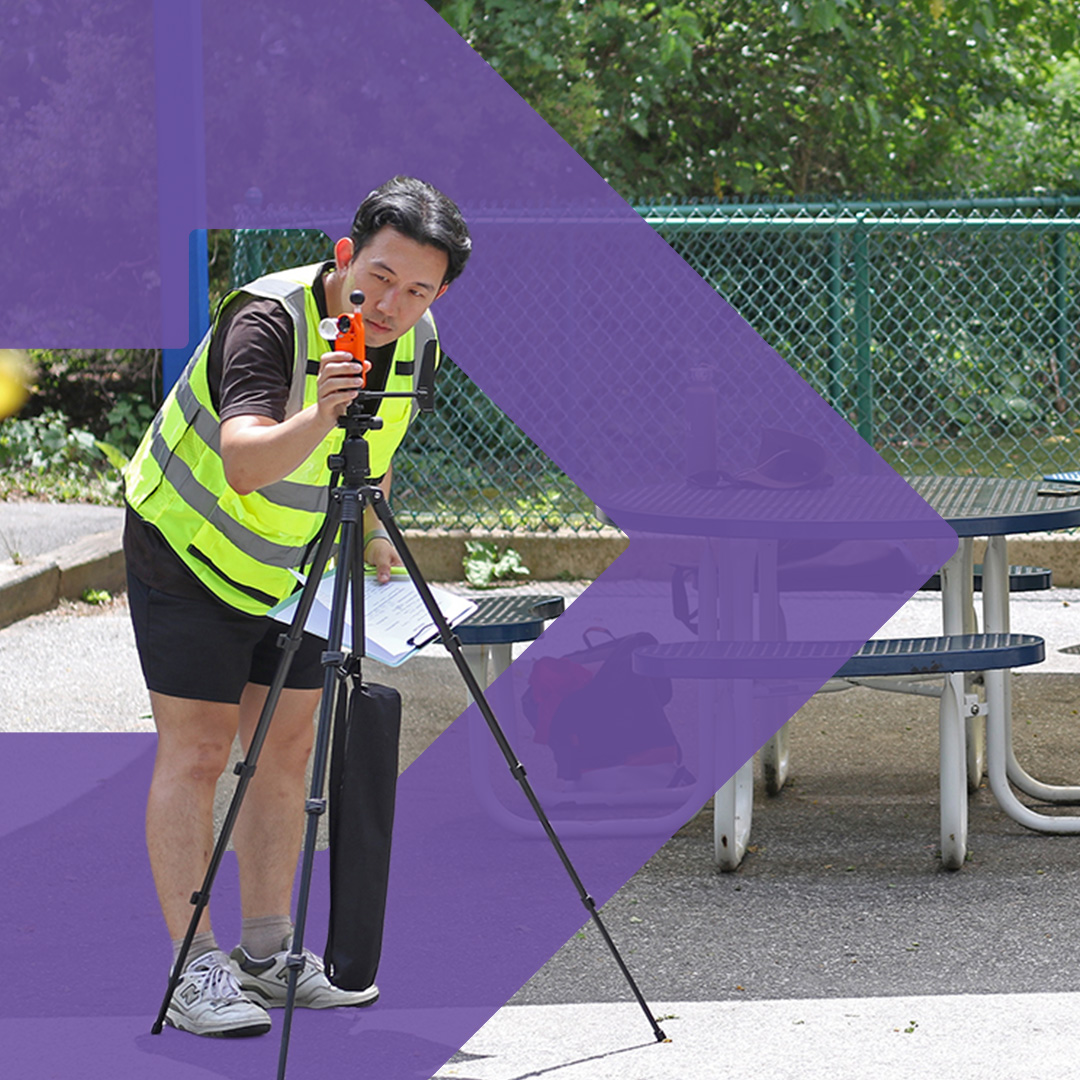
Heat has also been front of mind in my many recent conversations with partners at a Better City, Boston University School of Public Health, and the City of Boston Environment Department. We have been discussing the results from our second BCOOL summer study. Similar to the summer 2024 effort, the sites where we set up monitors showed significant discrepancies between the National Weather Service temperature predictions and readings, and what was being experienced in specific neighborhoods around the city. As we prepare to release the findings, I sat down with the lead researcher for this project, Boston University Professor of Environmental Health Patricia Fabian, in a conversation to remind us why we measure heat; to begin to build our familiarity with this newer, sneakier, type of weather; and to consider the value in even the smallest but mightiest studies like BCOOL. Our chat yielded key takeaways:
In Boston we are feeling the summers get hotter, but why do we need to measure it?
- Numbers drive action. Just saying it’s hot without numbers is vague. Measuring specific values that are above a health based threshold can drive action.
- There is a lot we still don’t know about the distribution of heat at the local level. Right now the temperature sensors that provide predictive and live-time temperature readings for Boston are in locations like Logan Airport. The BCOOL 2024 summer project captured how many urban neighborhoods in Boston are experiencing heat in longer, stronger ways, which will require local cooling solutions.
- Measurement builds awareness, aids education, and guides decisions. Data from studies will inform decision-makers—be they policy makers, community members or local organizations —and empower them with facts to help them advocate for the needs of their most vulnerable constituents.
- People believe local data. There is great value in having local data to solicit trust and buy-in and a drive for action from local residents, community organizations, or policy makers.
- Translation is key - data need to be presented in different ways to move to action. Decision makers look to use data to inform a wide range of decisions and policies. Both the B-COOL 2024 study and the Boston Heat Resilience Plan documented temperature differences in Boston neighborhoods, but the B-COOL analysis highlighted what the temperature differences meant for neighborhoods in heat advisory vs. emergency mode. Each study addressed different needs to help deploy resources and garner attention.
What types of actions can temperature monitoring drive?
Policy
Heat impacts health. If people can’t count on their homes to be safe spaces to retreat to on these hotter days, and if the infrastructure at work and school or on their commutes fails to provide protection, we are going to see continued strain on our health-care centers. We need robust policies that will continue to move toward the equitable and affordable adaptation of clean energy and safer, cooler housing.
Resources
We need to deploy and activate such things as cooling centers, home cooling units, water stations, and distribution of cooling care kits.
Infrastructure
From planting trees and building bus shelters that offer shade and cooling to employing heat-appropriate architectural design and materials in larger buildings, we can start on this right away.


With this grounding and refresher, I invite you to take a look back at the BCOOL 2024 study and watch for more from TBF’s Climate desk. I look forward to sharing insights from additional members of the BCOOL team, especially on the findings and actions from our second summer’s study, where we continued monitoring temps in heat island neighborhoods, and added monitoring at a construction site, bus stops and day-care facilities. So, bundle up – for now – and stay tuned!